
出る釘は打たれる。
The nail that sticks out gets hammered down.
This proverb echoes loudly within Japan, a nation where collective harmony often overshadows individual opinion.
出る釘は打たれる。
The nail that sticks out gets hammered down.
This proverb echoes loudly within Japan, a nation where collective harmony often overshadows individual opinion.
“Manner Mode” in Japan is the functional equivalent to silent mode elsewhere. Whether you’re about to grab a seat at a movie, hop on a train or bus, or settle down for an exam, it’s common to hear reminders requesting patrons to switch their mobiles to “manner mode.” Continue reading
Despite the seemingly straightforward nature of train etiquette in Japan, many visitors find it unexpected challenges to grasp. As a resident, I often observe foreigners, especially tourists, unwittingly fail to follow these norms, exhibiting behaviors that may feel uncomfortable to regular riders.
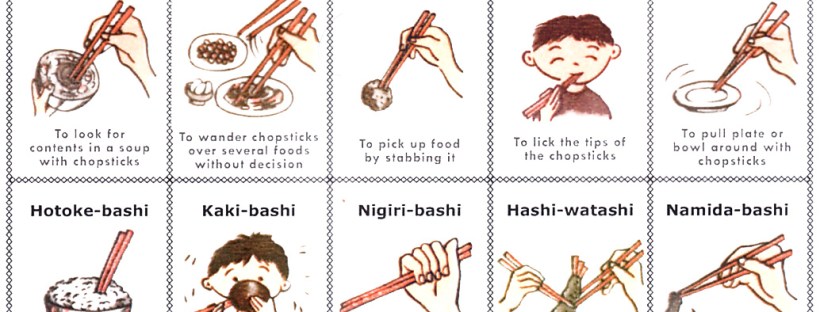
Japanese folks aren’t kidding when it comes to chopstick manners! Dining with Japanese? They’re likely to be understanding if you’re not savvy with all chopstick protocols. But knowing even a bit about local etiquette can help make a good impression, earn respect, and promote positive interaction.
Even though completely mastering chopstick rules may seem tough, embracing these simple guidelines takes you closer to seamless chopstick politeness:
Japanese culture is rich with precise etiquette, from the tradition of bowing to the art of handling chopsticks, and the etiquette of financial gifts at weddings and funerals to a respectful treatment of superiors. However, Japan also presents a spectrum of surprising behaviors that are not considered rude — contrary to customs in many other countries.
 Capture The World