
When it comes to spring in Japan, the sakura (cherry blossoms) typically dominate the scene. However, the Japanese ume, also known as the “Japanese apricot” or plum, offers stunning competition for the famous sakura. While both blossoms have their admirers, the reverence for ume in Japanese culture is deeply entrenched and cannot be underestimated.
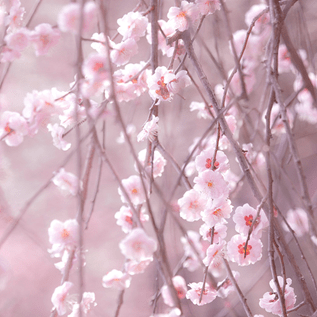
Captivating Plum Blossom Viewing in Japan
Throughout Japanese history, ume blossoms have held a pivotal role, symbolizing the arrival of spring and the celebration of new life. Blooming earlier than the sakura and for a longer duration, the plum blossoms are often considered the heralds of spring, aligning with the traditional Japanese New Year beginning on February 4th.
Less glamorously vibrant but more elegantly aloof than cherry blossoms, the allure of plum blossoms lies in their unique aura. Their intoxicating fragrance and broad spectrum of shapes, sizes, and colors draw countless visitors to enjoy spring in Japan in all its splendor. Some breeds even showcase multiple colors on a single branch!
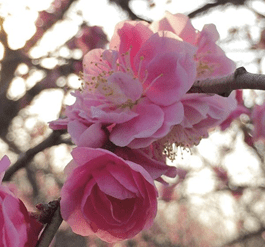
The Kyoto Prefecture, home to myriad breathtaking trees that illuminate springtime, is an unparalleled spot in Japan to witness both sakura and ume blossoming. Below are some of Kyoto’s top locations for admiring the mesmerizing beauty of the ume.

Kyoto’s Top Ume Viewing Sites: Treasures Beyond Sakura
Kitano Tenmangu
Known as Kyoto’s epicenter for plum trees, Kitano Tenmangu is a shrine that sparkles extra during ume blossom season. Besides being a regular hotspot for students praying for academic success, the shrine is also famed for its over 1,500 ume trees. The most treasured among these is the “Tobi-ume,” planted by Sugawara no Michizane, the god of education and calligraphy. From early February till mid-March, Kitano Tenmangu transforms into an enchanting realm of diverse plum blossoms.
Jonangu
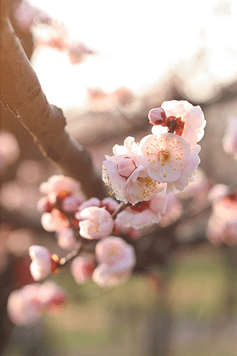
South of Kyoto City lies Jonangu, celebrated for its uniquely Japanese gardens. A haven for anyone intrigued by the classic Japanese novel, “The Tale of Genji,” Jonangu is home to more than 150 plum trees nestled among over a hundred Genji-themed plants. The best season for plum viewing here is from mid-February to mid-March.
Aodani-Bairin (Joyo City)
Joyo City, beyond Kyoto City, is the largest ume producer in Kyoto. The Aodani-Bairin, a sprawling plum forest with over 10,000 white plum trees, hosts an annual ume festival offering ume-flavored sweets and other delights.
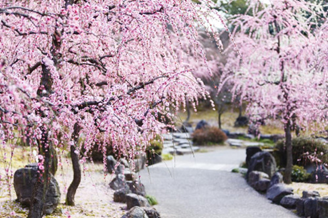
While the sakura vs ume debate simmers on, both blossoms are prized gems of Japan’s spring showcase. The breathtaking views of the plum blossoms, particularly in Kyoto, is an eye-catching spectacle worth experiencing.
 Capture The World